Look, sometimes I need to reassure myself that majoring in English wasn’t a total waste.
“Death of the Author” is the literary criticism theory that writers ultimately lose control of their work, and a reader’s interpretation is valid no matter how far it deviates from the author’s intentions. Apart from helping generations of students bullshit their way through book reports, this school of thought opens the floodgates for fans to share their wildest hypotheses and desired shippings, often in the form of fanfiction.
Your favorite characters didn’t get together? No worries—you can just expand the story so they fall in love and live happily ever after, even if it means making their canonical partners cartoonishly evil. It’s not like their creator can stop you, especially if said creator is deceased in both a literal and figurative sense.
Of course, many authors’ corporeal forms continue to operate, and they frequently make their own statements on what is, isn’t, and can be canon. Certain online platforms have given fandoms unprecedented access to these writers, and their ensuing dialogues can have universe-altering implications. Consequently, I believe the social media age has ushered in a new lit crit variant: Death of the Living Author.
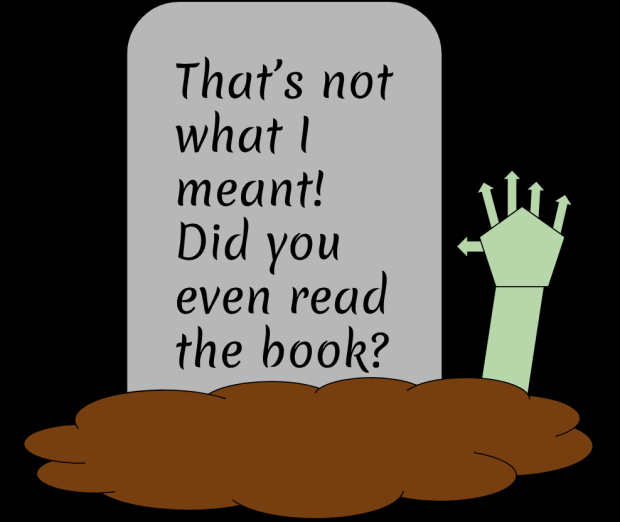
I’m sorry to inform my readers that the title of this blog post does not refer to a literary-minded zombie film—or, for that matter, a zombified Death of a Salesman spin-off. Actually, a zombified Death of a Salesman spin-off sounds kind of badass. Someone should totally write that! I would, if I didn’t have at least 20 unfinished writing projects hanging over me (one of which does involve a zombie).
Anyway, Death of the Living Author is when fans declare their interpretation of the text, ostensibly divorced from the author’s design, only for the author to pass judgment on it.
A creator who debunks fans’ ideas can trigger an all-out war. S.E. Hinton infamously got into heated Twitter debates with readers who found The Outsiders decidedly homoerotic. Hinton repeatedly insisted her characters were not gay, and objected to accusations of homophobia.
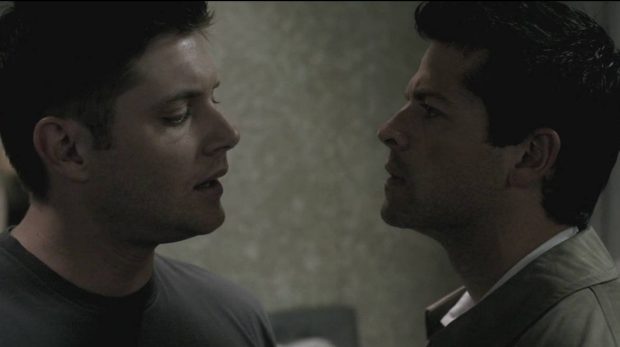
The issue seems obvious to me: a heterosexual teenage girl wrote about a bunch of guys from another guy’s perspective, and she went a bit overboard describing how handsome they were. Shippers are free to read the text as they wish, but it’s highly unlikely a young straight woman coming of age in the ‘60s intended even the slightest connotation of gayness. (Incidentally, Hinton has admitted to writing her own fanfiction based on Supernatural—another intellectual property with a strong LGBTQ+ following.)
On the flip side, when an author validates a fan theory, it can create a sense that the audience is at least partially in control of the narrative. Then, if and when the writer does something to displease the masses, that same audience is prone to breaking out the torches and pitchforks—sometimes for reasons completely unrelated to the story itself.
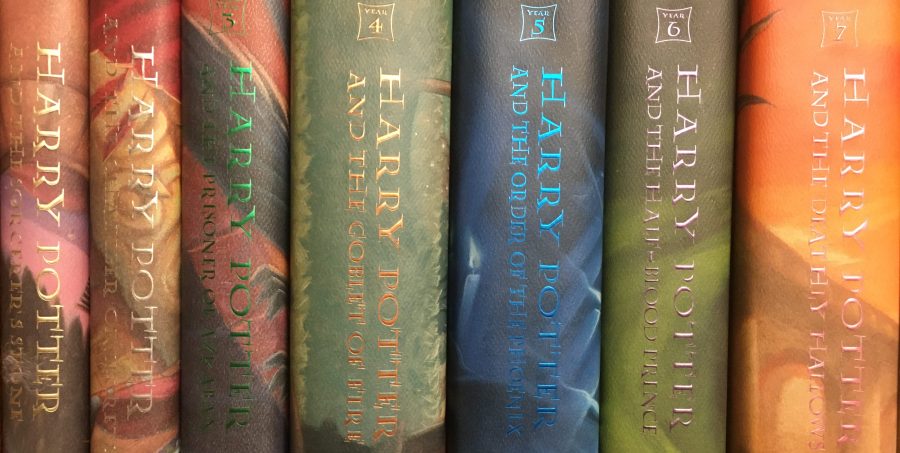
By that measure, J.K. Rowling may be the quintessential living dead author. Back when she was pissing off the right instead of the left, Rowling periodically entertained and endorsed many bits of fanon. This included the theory that Hermione Granger was possibly Afro-British, an idea further legitimized by the casting of Noma Dumezweni in the original West End run of Harry Potter and the Cursed Child.
Rowling never claimed she deliberately wrote the character to be Black—just that reading Hermione as Black was a valid interpretation of the text. That didn’t stop the “anti-woke” crowd from throwing fits and accusing her of pandering. Meanwhile, some socially progressive fans thought she was covering her ass by retroactively shoehorning in Hermione’s race, similarly to her outing Dumbledore as gay after the fact.
Nowadays, Hermione’s heritage isn’t even close to the biggest controversy surrounding Rowling, whose alienation of the trans community has triggered many debates about the ethics of separating the art from the artist. Personally, I’m still holding out hope that Rowling is emulating a certain divisive Harry Potter character, and she’s actually a double agent sabotaging transphobes from the inside. If that’s the case, though, she should probably come clean before she gets mauled to death by a snake who may or may not be a trans-species Korean woman. (Don’t get me started on the Fantastic Beasts sequels.)
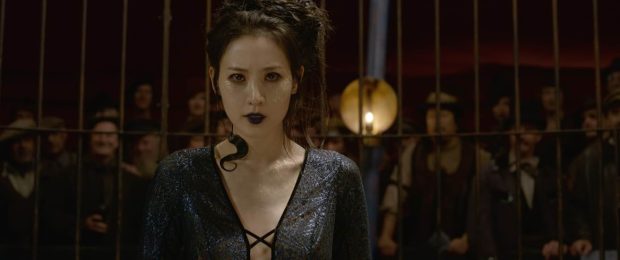
I’ve often wondered how my future audiences might kill me, so to speak. No matter how conscientiously I choose my words, I’m sure some people will connect dots I didn’t even realize were part of the picture. Paradoxically, I also wonder if my fandom will be passionate enough to grant me immortality. Bodies expire, after all, but words endure—provided they’re not deleted, destroyed in a fire, or censored out of existence by the Texas Legislature.
Surrendering one’s writing can be scary. The good news is that creators are also audience members, meaning their reflections are no less valid than anyone else’s. Purists in a given fandom will even argue the author’s interpretation is the only one that matters. Granted, this doesn’t factor in how a creator’s life experiences inevitably change the way they analyze their own output, but some may still find comfort in their fans’ expressions of loyalty.
As for those who revel in desecrating the graves of authors both dead and undead? Hey, they’re providing free publicity for the source material!
On that note, it’s time for me to release this post into the wild and go write something else.

 Media Shower
Would it make a difference if authors didn’t respond? Or is it necessary to speak up for their creations?
LikeLiked by 1 person
I think it’s instinctive. During my numerous hours in college workshops, I tried to accept feedback graciously, but there were moments when I found it hard not to feel defensive against those who didn’t “get” my writing.
LikeLike