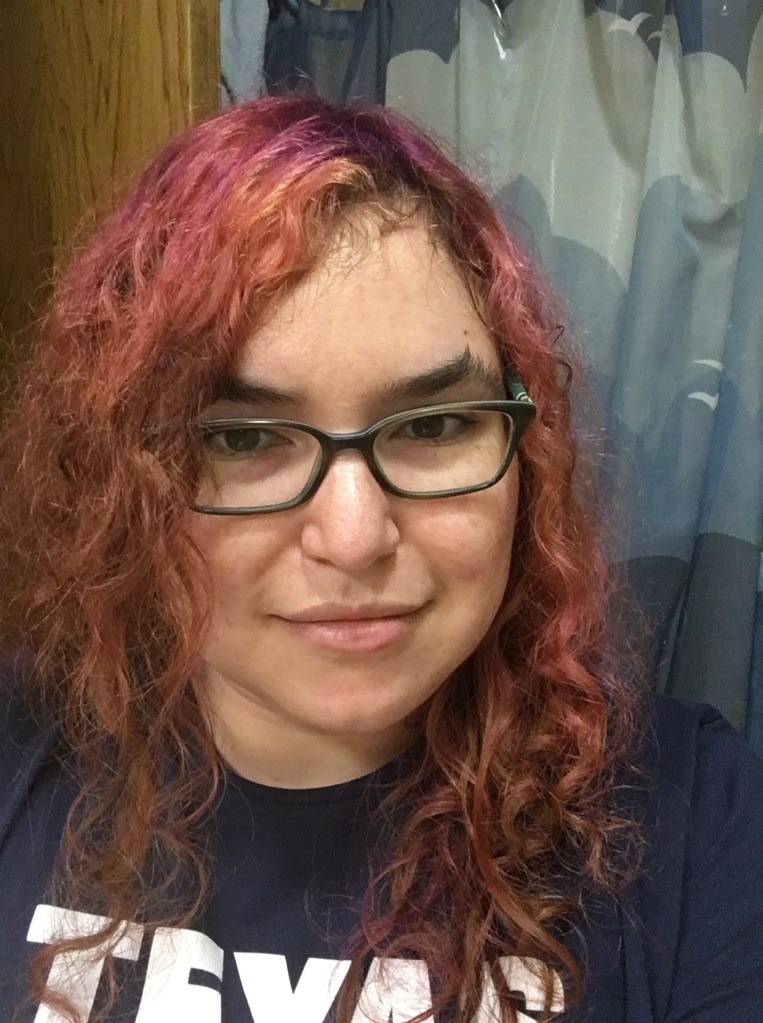
In early May, I finally got around to using the “Lusty Lavender” hair color kit I bought more than a decade ago. I had delayed this process for a number of reasons, including awkward living situations (I wasn’t about to attempt a dye job in a communal dorm bathroom), general tiredness, and simply forgetting about it.
Admittedly, I was also trying to avoid misrepresenting myself; I didn’t want to look like a Manic Pixie Dream Girl, only to disappoint everyone by being more of a Depressed Vulcan Nightmare Woman. At this stage, though, I’m secure enough in my identity to take the plunge.
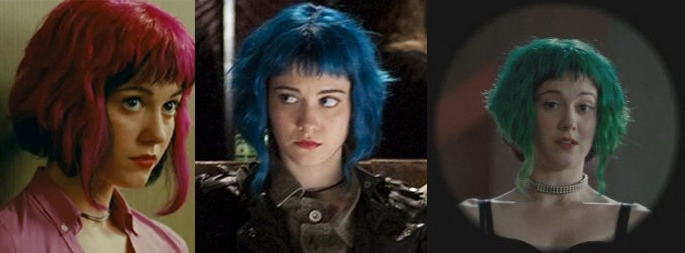
I was going for a particular shade—think “Smoke on the Water” band—but ended up with a multicolored sunset-looking blend that’s honestly not the worst thing ever. The only part of my head that resembles the color on the box is…well, my part.
Every single sliver of the Gregorian calendar, it seems, has some sort of theme. I’ll open a social media app, and 17 accounts I don’t even follow will clog my homepage with posts about, like, National Pizza Day, or International Sock Day, or Milky Way Galaxy Pizza Sock Day.
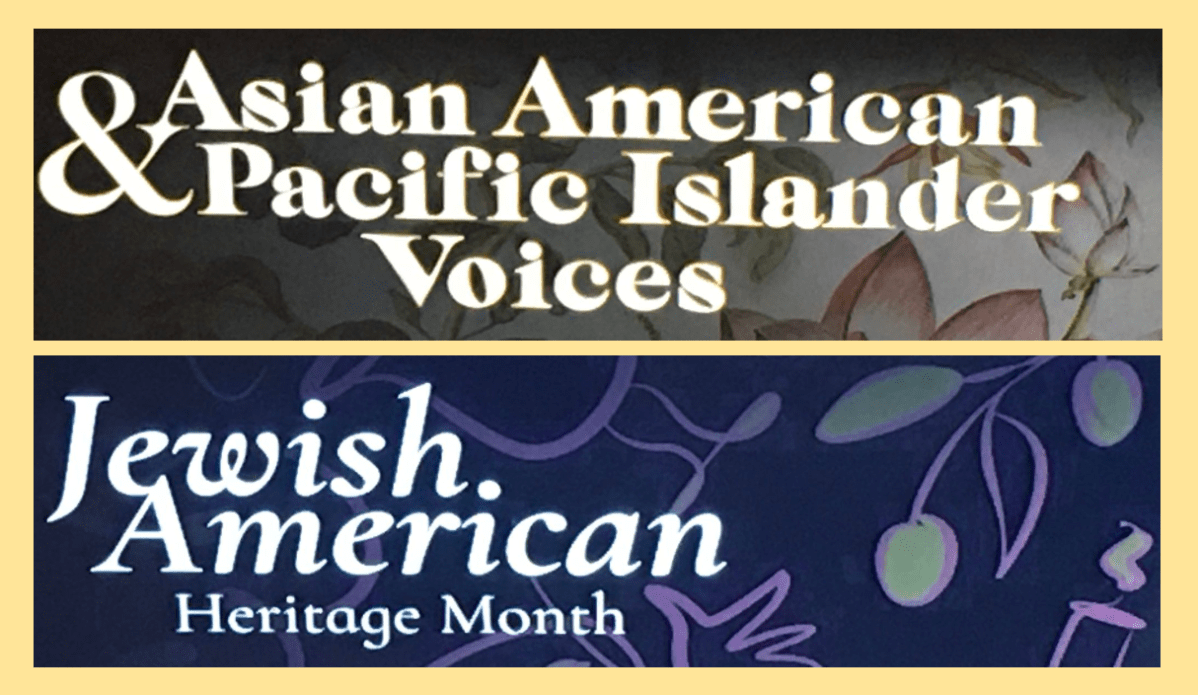
While I mostly ignore novelty holidays, I appreciate the month-long observances that honor the contributions of the many cultures comprising the modern United States. Even if acknowledgments in the media are largely performative, I usually end up learning something new.
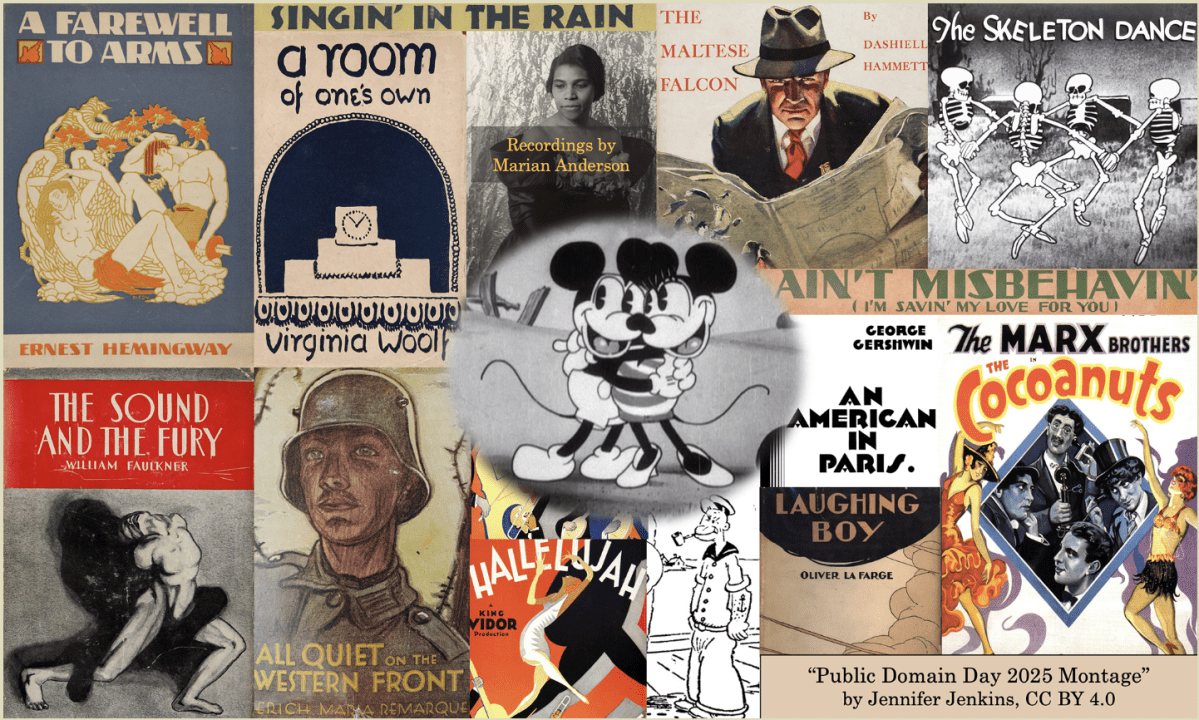
It’s a newish year, which means we’ve got a newish batch of old material available for use without exorbitant fees.
Copyright laws can get pretty convoluted, but as a general rule, expiration depends on the death of the author (no, not that one). In many countries, a work enters the public domain either 50 or 70 full calendar years after its maker’s passing; as of 2025, this means copyright has lapsed for the intellectual properties of several creators who died in 1954 or 1974. While the U.S. Copyright Term Extension Act stretched out renewals for works that were still under copyright as of 1998, even some of those IPs are now up for grabs.
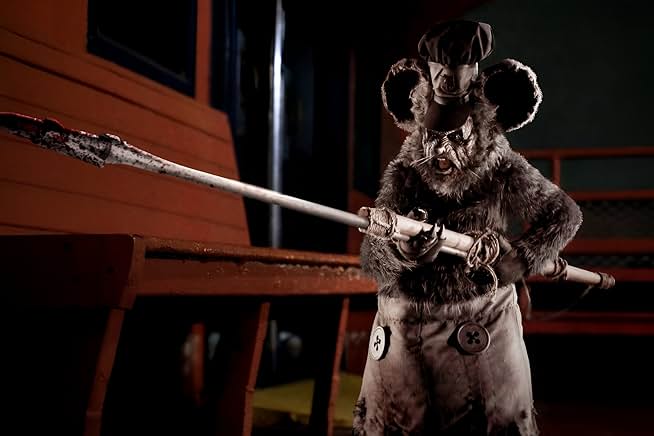
The batshit post-pandemic media landscape has produced a surge of cheap, rushed, and poorly-reviewed horror movies based on freshly public domain characters. 2023’s Winnie-the-Pooh: Blood and Honey takes advantage of the earliest incarnations of A.A. Milne’s Pooh and Piglet, though writer/director Rhys Frake-Waterfield had to wait until the sequel to use Tigger. Meanwhile, the Steamboat Willie version of Mickey Mouse has already spawned at least two slashers: The Mouse Trap and Screamboat.
David Howard Thornton as the killer in “Screamboat.” It’s a cleverer title than “The Mouse Trap,” but this evil Mickey looks too much like an extra in the stage version of “Cats.”
These movies thrive on the shock value of turning beloved family-friendly characters into bloodthirsty monsters. But as long as people keep watching and talking about them, even solely to complain, opportunists will continue to make them.
While I don’t particularly care for the trend, it doesn’t bother me on a personal level; I have similar feelings toward things like Disney’s “live-action” remakes, or the Kardashians/Jenners. That said, I can’t help wondering if people seeking to cash in on the public domain are overlooking some high-potential material.
Just for fun, I’ve decided to brainstorm possible adaptations for a handful of media whose copyrights recently expired. On the off-chance that any reader actually turns at least one of these elevator pitches into a real movie, I ask that you hire a union cast and crew, put my name in the credits (preferably spelled correctly), and give me 1% of streaming revenue if applicable.
Enjoying older media often entails accepting outdated terminology, politically incorrect humor, and plain wrong notions about our fellow humans. But every once in a while, a surprisingly inoffensive hidden gem will surface from the vault of our complex history.
The Alfred Hitchcock Hour was a continuation of the anthology series Alfred Hitchcock Presents that doubled the episode length (for better or worse). Like its more famous yet shorter-lived contemporary, The Twilight Zone, the show ranged from the speculative and supernatural to the more grounded. And, as with The Twilight Zone, it has since spent decades in syndication on cable channels, usually at late hours.
One Hitchcock episode examines the consequences of overcrowding in certain Mexican cemeteries—namely, if families of the deceased couldn’t keep up with burial plot rental payments, their loved ones would be exhumed to make room for other bodies. This was an actual thing that happened, and author Ray Bradbury’s horror at the situation inspired at least two stories: 1947’s “The Next in Line,” about an American couple stranded near the catacombs of Guanajuato, and 1963’s “The Life Work of Juan Diaz,” which Bradbury himself adapted into a teleplay in 1964.
The horror genre is a fertile ground for diegetic scores—tunes actually playing in-universe—which frequently serve to build dramatic tension, but can evoke a wide variety of emotions. These songs include bona fide classics, novelties, annoyingly catchy guilty pleasures, and straight-up auditory hell. All of the following examples manage to enhance the works featuring them.
I’ve done my best to include clips of scenes when possible, but studios can be extremely stingy with copyrighted music, and a few examples only seem to exist online in crappy edits. If an entry is missing a video of a moment you really want to see, I highly encourage you to check out the movie or show for yourself.
By no means have I seen all horror media from this millennium. If you can think of any glaring omissions, feel free to leave them in the comments!
Some of you already knew that, but if you don’t know me personally, or haven’t seen much of me since my boy-crazy teen years, it might come as a bit of a surprise. I wasn’t faking my attraction to guys, though; I was just repressing my other crushes.
It almost makes too much sense. Of course someone of my background wouldn’t have a simple sexual orientation. Given my mixed ethnoreligious origin, I’m used to navigating between worlds, celebrating those periodic moments of synchronicity. But it wasn’t until college that I examined myself closely enough to realize the signs of queerness had been there all along. In hindsight, I guess it wasn’t very heterosexual of me to feel so excited while hugging pretty girls in my older brother’s class.
This post contains spoilers for High Tension, Sleepaway Camp, and The Sixth Sense. If you’ve been meaning to watch any of them and prefer not to go in knowing the twist, get the hell out of here and return to my blog when you’re ready.
Look, sometimes I need to reassure myself that majoring in English wasn’t a total waste.
“Death of the Author” is the literary criticism theory that writers ultimately lose control of their work, and a reader’s interpretation is valid no matter how far it deviates from the author’s intentions. Apart from helping generations of students bullshit their way through book reports, this school of thought opens the floodgates for fans to share their wildest hypotheses and desired shippings, often in the form of fanfiction.
Your favorite characters didn’t get together? No worries—you can just expand the story so they fall in love and live happily ever after, even if it means making their canonical partners cartoonishly evil. It’s not like their creator can stop you, especially if said creator is deceased in both a literal and figurative sense.
Of course, many authors’ corporeal forms continue to operate, and they frequently make their own statements on what is, isn’t, and can be canon. Certain online platforms have given fandoms unprecedented access to these writers, and their ensuing dialogues can have universe-altering implications. Consequently, I believe the social media age has ushered in a new lit crit variant: Death of the Living Author.
They say—whoever “they” are—to write what you know. This poses a challenge in genre fiction, since most of us don’t have personal experience time-traveling, riding dragons, or navigating a romance with a 3,000-year age gap. Still, creators of all stripes incorporate aspects of their lives into their stories.
As a half-Jewish, half-Mexican woman, I encounter the world in a particular way. It’s not always a smooth ride, but my mixed background is instrumental to my cultural awareness, open-mindedness, and sense of humor. During my childhood, though, I was a lot less conscious of my identity, and I tended to default to implicitly WASPish characters in my works of fiction.

 Media Shower